SciencePricingBlogAboutFor Therapists
Download

Jungian archetype test: which part of you runs the show?

Sol

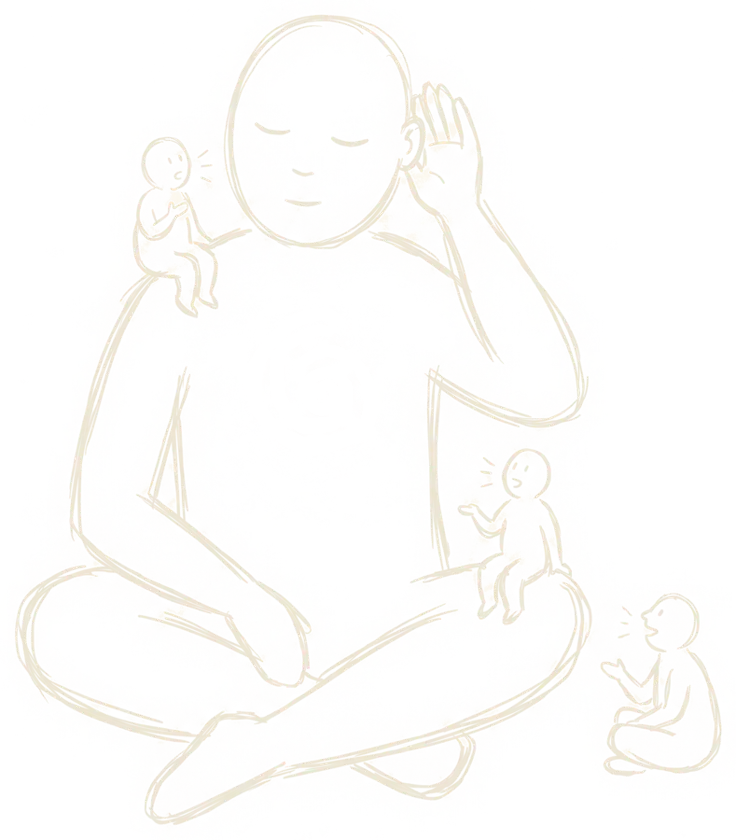
Ten voices live in your head. Let's see who's loudest.

Tap the first thought that shows up. No wrong answers. About 3 minutes.


It is not a fixed personality type. It points at the part of you that is speaking right now. Next month it may be someone else.

Read about the ten archetypes →

About this test

How the test works

You answer 18 short questions. Each one is a small moment, like a scary text or a free afternoon. Each question is asked by one of the ten parts, in a speech bubble.

You pick the answer closest to what you would do. If none of the five fits, you can write your own. There are no right answers.

It takes about 3 minutes. You do not need an email or an account. Your answers stay on your device.

Each answer points to one of ten archetypes. The test adds them up. The last ten questions count a little more than the first eight, so your first guess does not decide the result. Every archetype gets the same number of chances to be picked, so the test has no favourite.

What your result shows

Your result names the archetype that is loudest in you right now. It shows three things.

First, how that part sounds when it talks. Second, its shadow. The shadow is what the part does when it takes over and goes too far. Third, what two other parts say back. They often disagree with the loudest one.

Here is a short sample. If your Warrior is loudest, it may say: "I've been watching. Something's not right, and you know it." Your Sage may answer: "Before you build walls, ask yourself: what are you actually defending against?"

You do not have to agree with every line. Notice which line you argue with. That is often the useful one.

The 10 archetypes in the test

Why 10 archetypes and not 12?

You may have seen lists of 12 archetypes. Jung did not write a list of 12. The list of 12 that most sites use comes from Carol Pearson, who built on Jung for stories and brands. The names also change from list to list. One list says Jester where we say Trickster.

We use ten. They are the ones that show up as voices inside a person, the parts you hear arguing when you face a choice.

Pearson's 12 archetypes, and where each one fits in the ten →

How accurate is this test?

A result is a picture of one moment, not a fixed type. Ask again next month and a different part may be loudest. That is normal. The parts that speak up change with what is going on in your week.

This is not a scientific personality test, and it is not a diagnosis. It is built on Jung's archetypes and on Internal Family Systems (IFS), a way of working with the parts of you. Use it to start noticing which voices run your day.

Take it more than once. Compare the results. The parts that keep coming back are worth a closer look.

Questions

Is this archetype quiz free?

Yes. No email, no sign-up, and your answers stay on your device.

How many questions are there?

18, about three minutes.

Why 10 archetypes and not 12?

The popular lists of twelve came later, from writers who built on Jung for brands and stories. We use the ten that show up as voices inside a person, the parts you hear arguing when you face a choice.

What does my result show?

Your loudest archetype, how it sounds, what it does when it takes over, and two parts that answer it.

Is this a scientific personality test?

No. It's a reflection tool built on Jung's archetypes and IFS parts work, not a diagnosis.

Read about every Jungian archetype →